Can a Blood Test Help Lung Screening Find the Tumours That Matter?
Manchester researchers are testing whether AI-analysed blood samples can flag early lung cancer and separate fast-growing tumours from slow ones. Results are still pending.
Low-dose CT screening has changed the picture for lung cancer. Most people it catches are at stage 1, when surgery offers a good chance of cure. The harder question now is which of those early tumours will recur, and whether a blood test could help answer it alongside the scan.

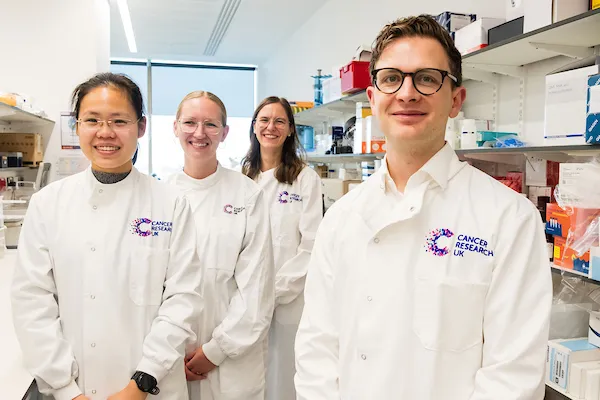
That's the problem a team at the Cancer Research UK National Biomarker Centre in Manchester is working on. Led by Professor Caroline Dive, the group is testing whether AI can find patterns in blood samples that point to early lung cancer. The work is at an early stage, with no validated test yet, but the design is worth a close look.
What screening does well, and where it falls short
NHS England's lung screening programme launched in 2019 and has scanned more than 800,000 current and former smokers. It has detected around 10,700 lung cancers, and over three-quarters of those were early-stage, treatable tumours. Before screening, only about a third of lung cancers were diagnosed at stage 1 or 2. Those numbers matter, and they explain why the programme is being judged on its results.

Screening still carries costs. False positives can cause stress and anxiety, and regular monitoring after surgery is demanding in its own right. CT scans also expose people to radiation, though the dose is low. That's why the programme invites only current and former smokers, whose cancer risk is high enough that benefits are expected to outweigh these harms. Estimates suggest as many as 6,000 never-smokers die from lung cancer each year, and they remain ineligible.
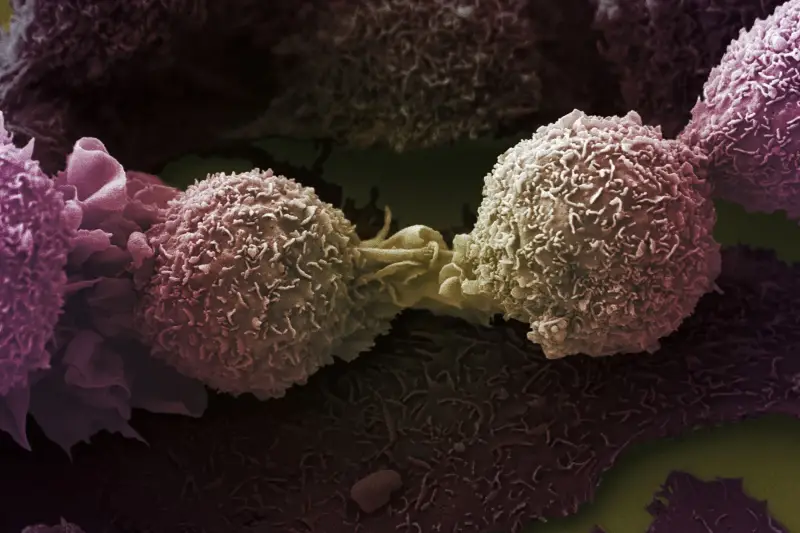
Two gaps stand out. The first is accuracy: scans can miss tumours or flag benign changes. The second is risk stratification. Scans are good at finding stage 1 disease, but they're poor at telling which tumours are aggressive. Dive puts the problem plainly: about one in five people with stage 1 disease relapse after surgery, which suggests that in some patients an early tumour has already begun to spread. A test that separated fast-growing tumours from slow ones could, in principle, spare some people intensive monitoring while directing more intensive treatment to others.
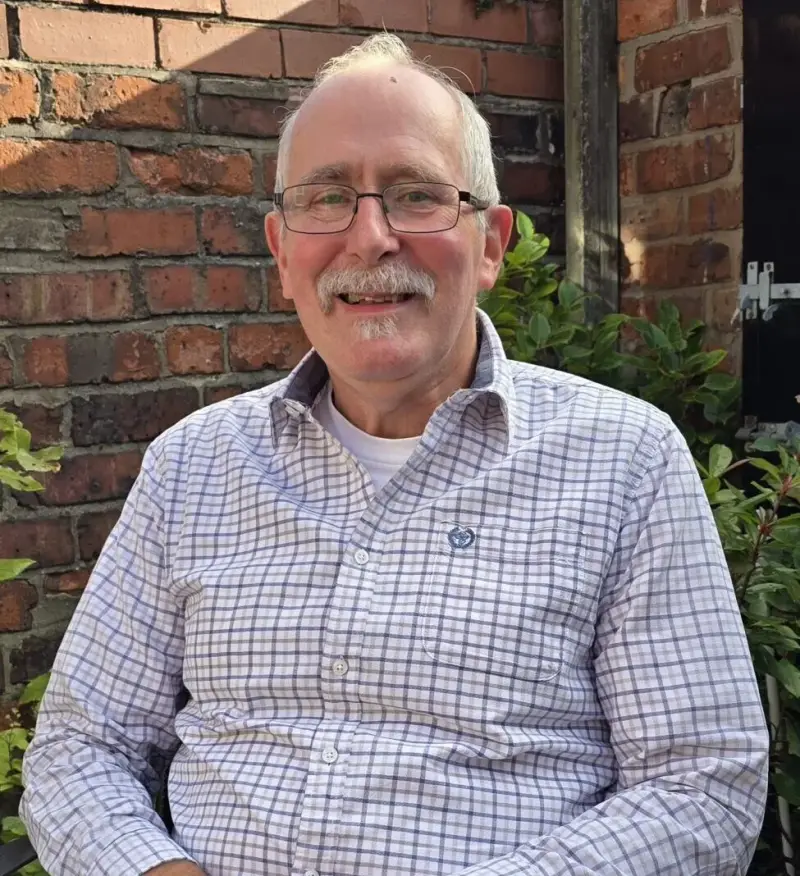
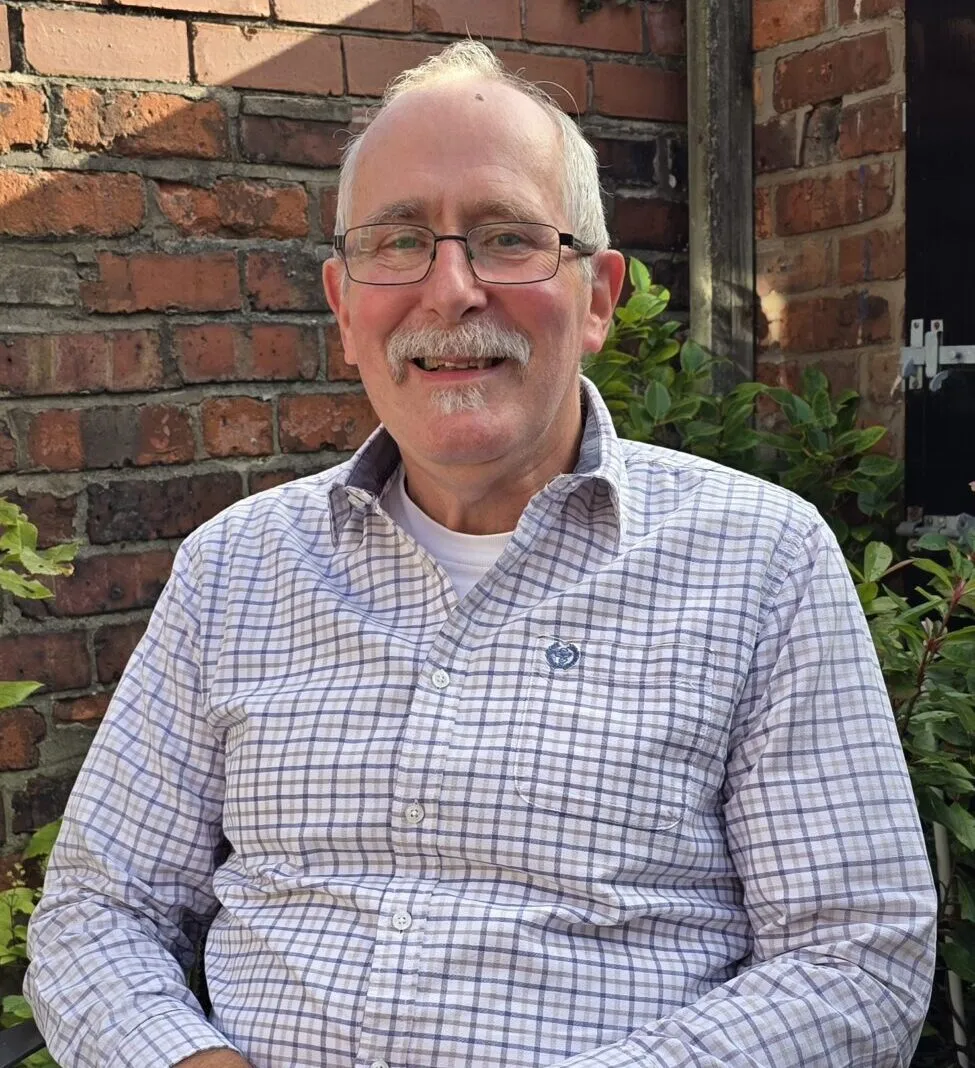
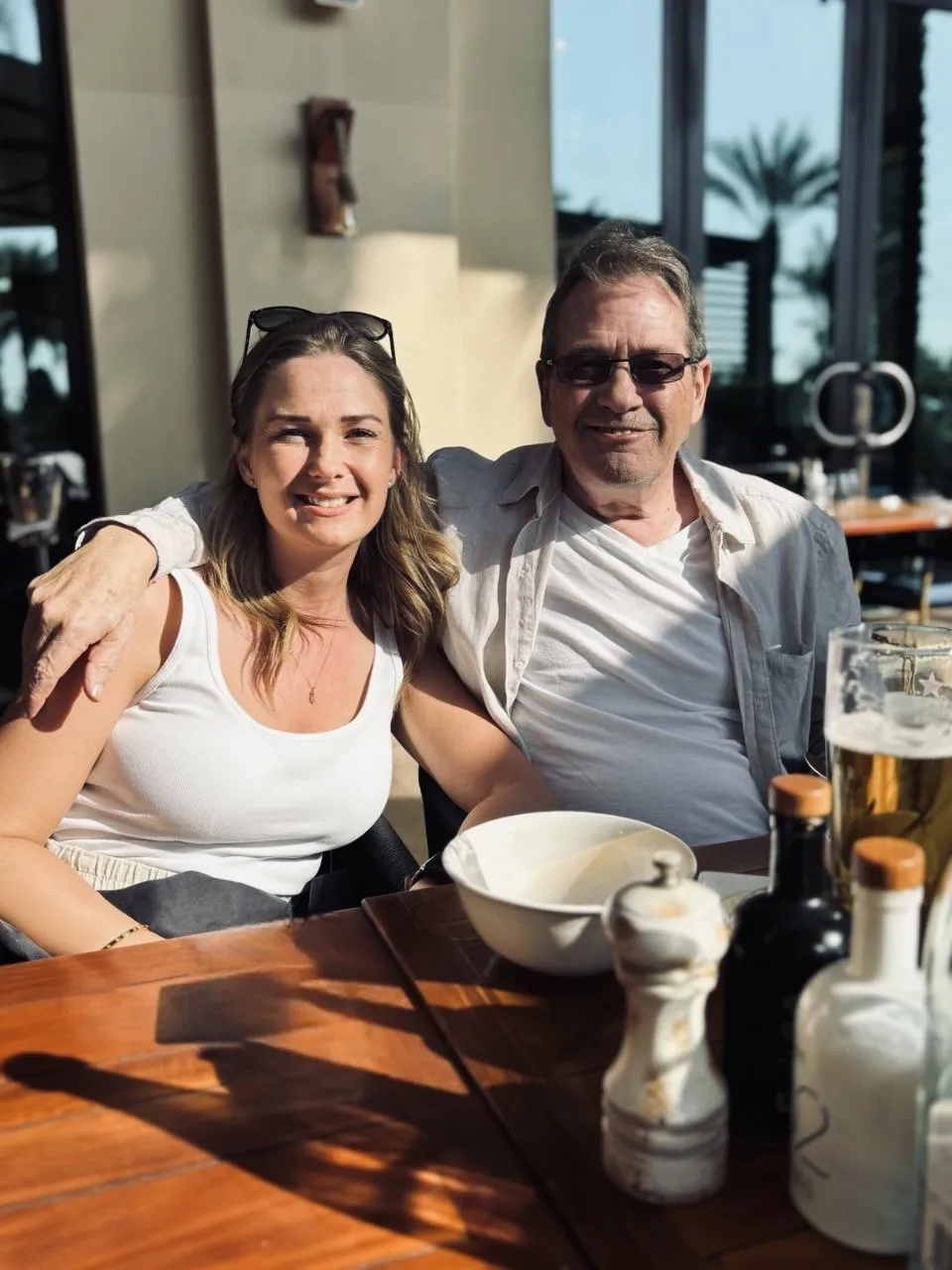
Eddie's experience shows what screening can do when it works. A 68-year-old former smoker, he attended a mobile screening appointment, had a scan on the spot, and was found to have a shadow on his right lung. Biopsy confirmed early lung cancer. The tumour was removed through keyhole surgery, and he'll have scans over the next five years. A US study cited in the coverage found that more than 80% of people diagnosed with stage 1 lung cancer through screening were cured by surgery alone. Eddie's most recent scan was clear.

Fishing in a smaller pond
The idea behind a 'liquid biopsy' is that early tumours shed molecules and cells into the bloodstream. If those signals can be read reliably, a blood test could add information to a scan rather than replace it. Dive's team is pursuing two questions: whether blood can reveal early lung cancers, and whether it can identify the tumours that are likely to return after surgery.
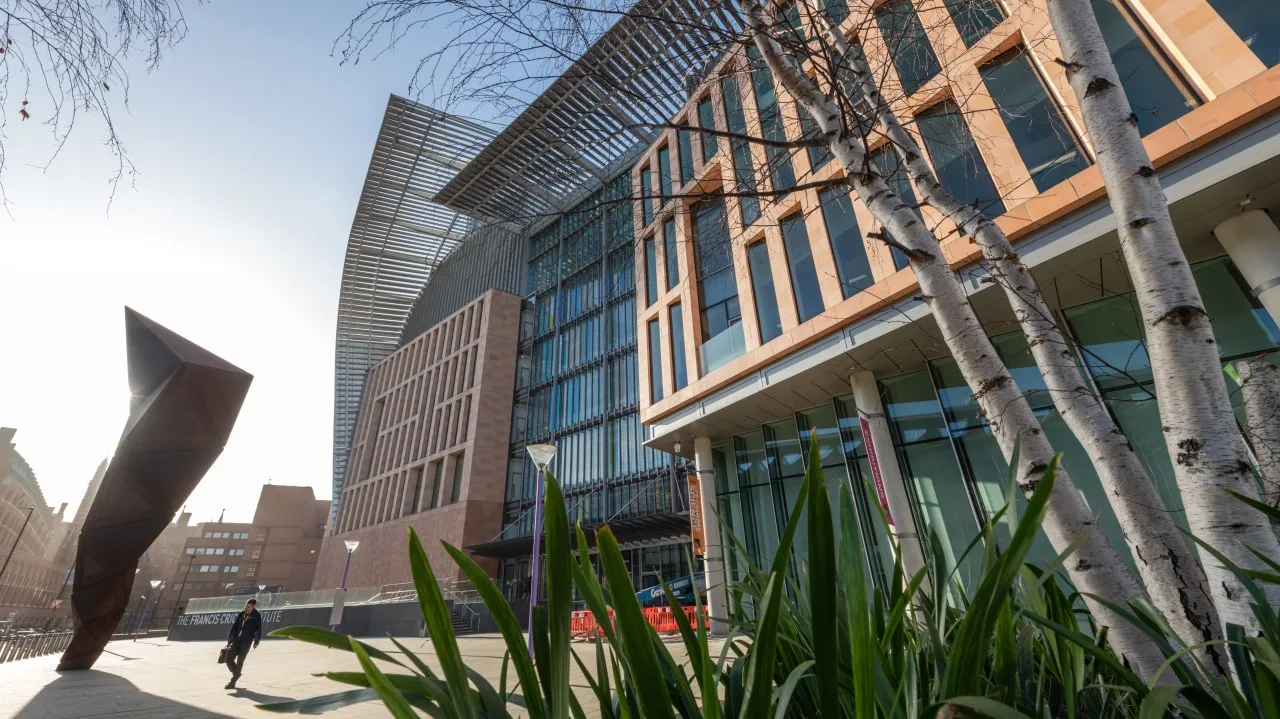
The Manchester work builds on a long relationship with the community-based lung screening programme at Wythenshawe Hospital, led by Professor Phil Crosbie, dating back to 2016. Dive's team has assembled a resource that's hard to replicate: thousands of frozen blood samples donated during screening appointments. That gives researchers a direct link between a blood sample and what the scan later showed.
The design is deliberately narrow. For each sample from someone with an early lung cancer, the team matched a sample from a cancer-free person of similar age, sex and smoking history. Starting with 200 such pairs, Dive describes the approach as fishing in a pond rather than an ocean. Matching reduces the chance that differences driven by age or smoking get mistaken for cancer signals, which is one of the classic traps in biomarker work.
Why blood is such a hard read
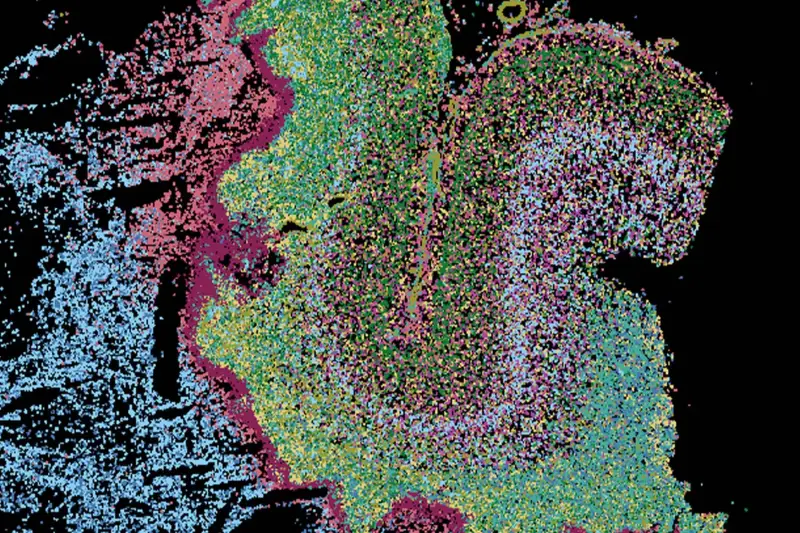
Blood carries billions of cells and a huge range of molecules, including tens of thousands of protein types, metabolites, and fragments of DNA and RNA shed by dying cells. Modern instruments can measure many of these with impressive precision. The difficulty is that levels fluctuate with age, infection, allergy, illness, exercise and even recent meals. Separating a cancer signal from that background is the central challenge.
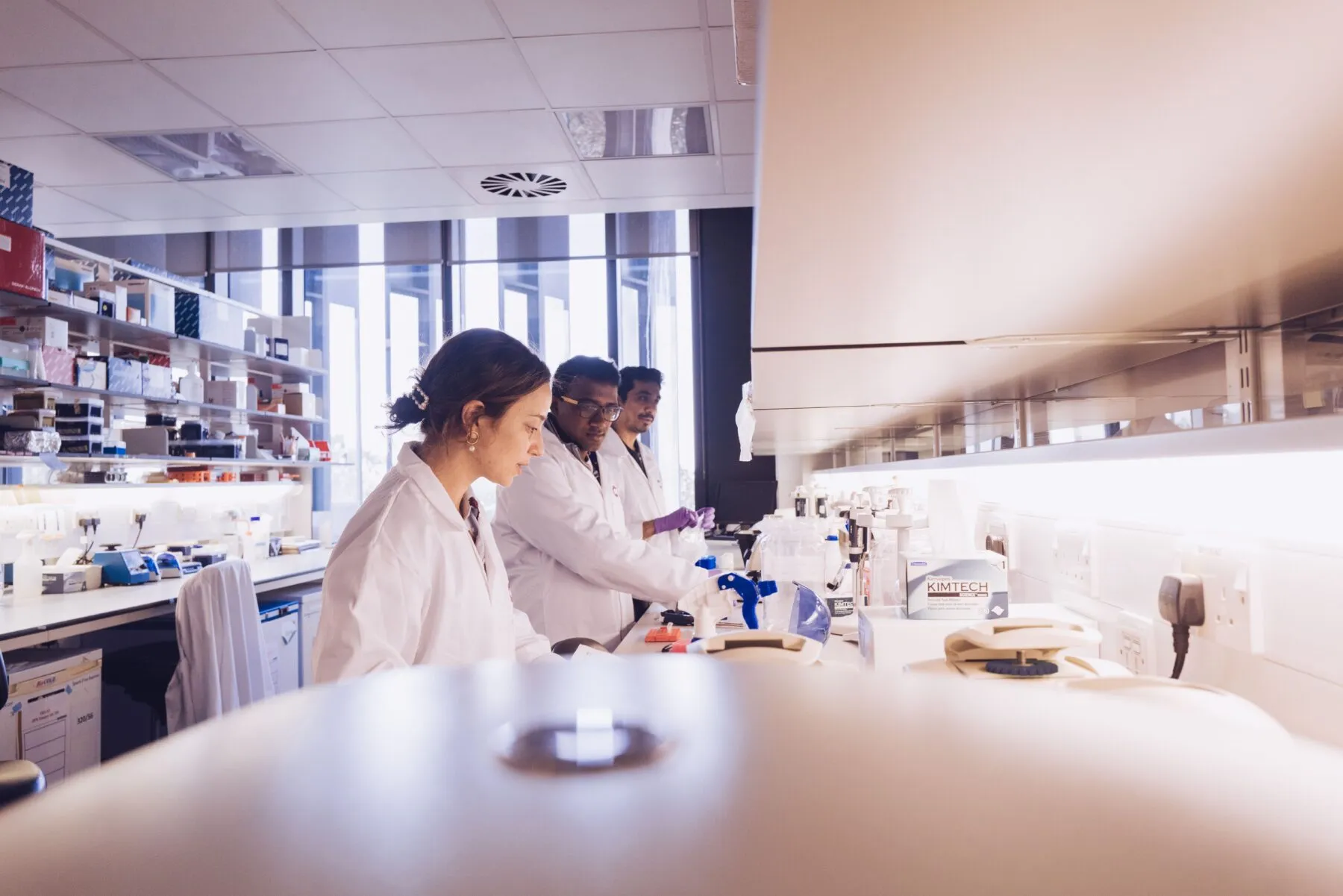
Rather than rely on a single type of measurement, which Dive says is unlikely to be enough, the team is taking a multi-modal approach. They're measuring thousands of circulating proteins using proteomics. For tumour-derived DNA fragments, they're examining three features: cancer-linked mutations, chemical modifications including methylation, and fragment size patterns, a method known as fragmentomics. They're also looking for rare abnormal circulating cells, and, with collaborators in the US, analysing circulating RNA. That combination is what makes the dataset large, with hundreds of thousands of measurements per sample.
Where AI fits, and what's still unknown
This is where machine learning comes in. Dive calls the dataset a big puzzle, and the team expects AI to speed up the search for meaningful patterns. The validation plan is clear and sensibly cautious. Models will first be trained on the first 100 cancer-positive and matched cancer-free pairs. The best-performing model will then be tested on the second 100 pairs, without the system knowing which samples came from people with cancer. A key technical question is how few measurements the model needs to keep its accuracy, since a test used in routine care has to be practical as well as accurate.
Here's the thing: a successful result on 200 pairs would be an encouraging signal, not a clinical tool. Retrospective sample sets can overstate performance, and a test that works in a research cohort may behave differently across a broader population with different backgrounds, comorbidities and screening histories. Any next step would require a much larger study. Dive is candid about that, saying that if the data are convincing, the team would need commercial partners and organisations such as Cancer Research Horizons. "Developing a biomarker test for routine use is really challenging, and expensive," she says.
Still, the approach addresses the right problem. Screening has already shown it can find cancers early. The next gains are likely to come from knowing which early cancers need aggressive treatment and which need only watchful follow-up, and from extending benefit to people the programme currently excludes. A reliable blood-based signal could contribute to both, but that's a hypothesis to be tested, not a finding.
For now, the practical takeaway is modest. If you're eligible for lung screening, the evidence supports taking up the invitation, while understanding its trade-offs. A blood test that could sharpen those results isn't available, and anyone with questions about their own risk or screening should speak with their GP or a pharmacist. Watch for the validation results from Manchester, and for whether the approach holds up in larger, more diverse groups.