Sleep Apnea in Pregnancy Earns a Place on the National Medical Agenda
The AMA has adopted a national policy recognizing sleep apnea in pregnancy. The evidence on treatment is promising but still developing.
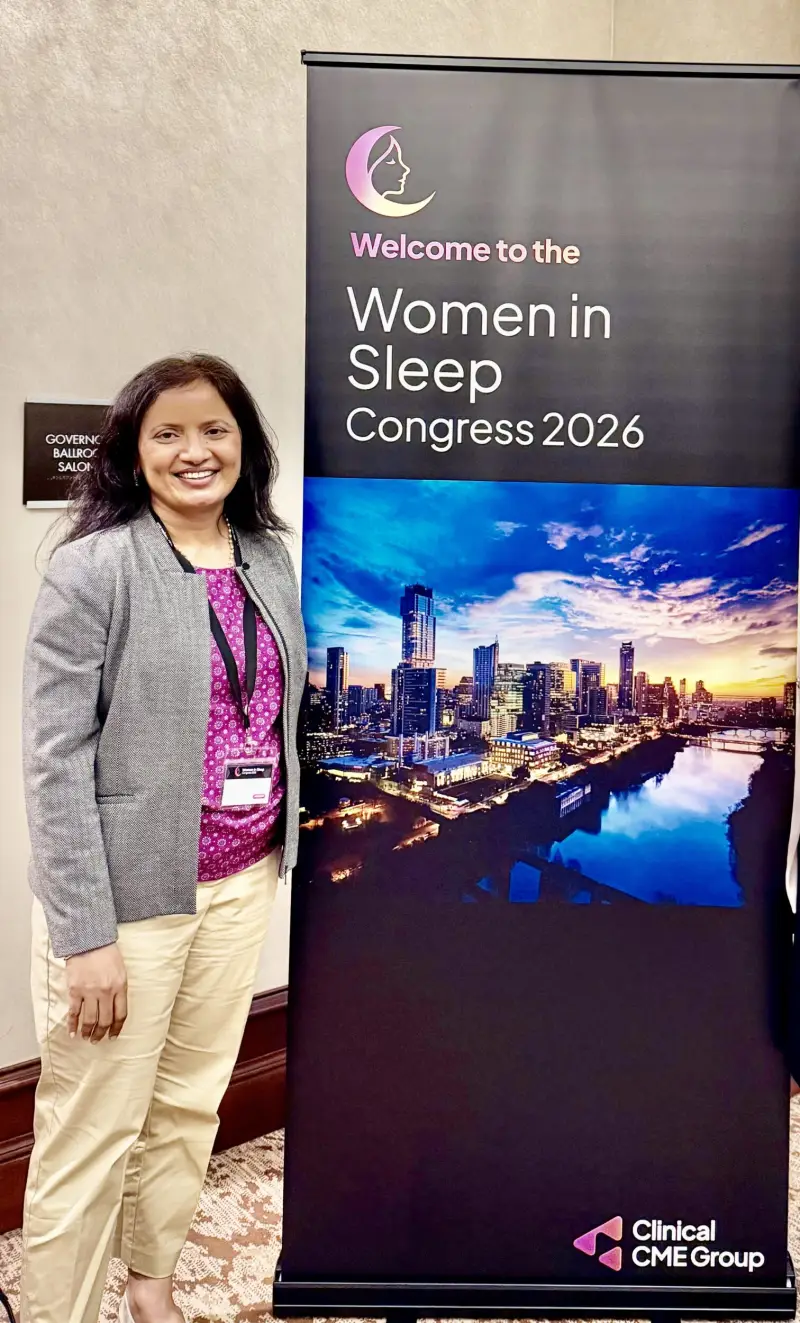
Pregnancy brings a lot of monitoring, yet untreated sleep apnea has largely slipped through. A Texas sleep physician's push to change that has now reached the American Medical Association, and the story says as much about how medicine sorts its priorities as it does about the condition itself.
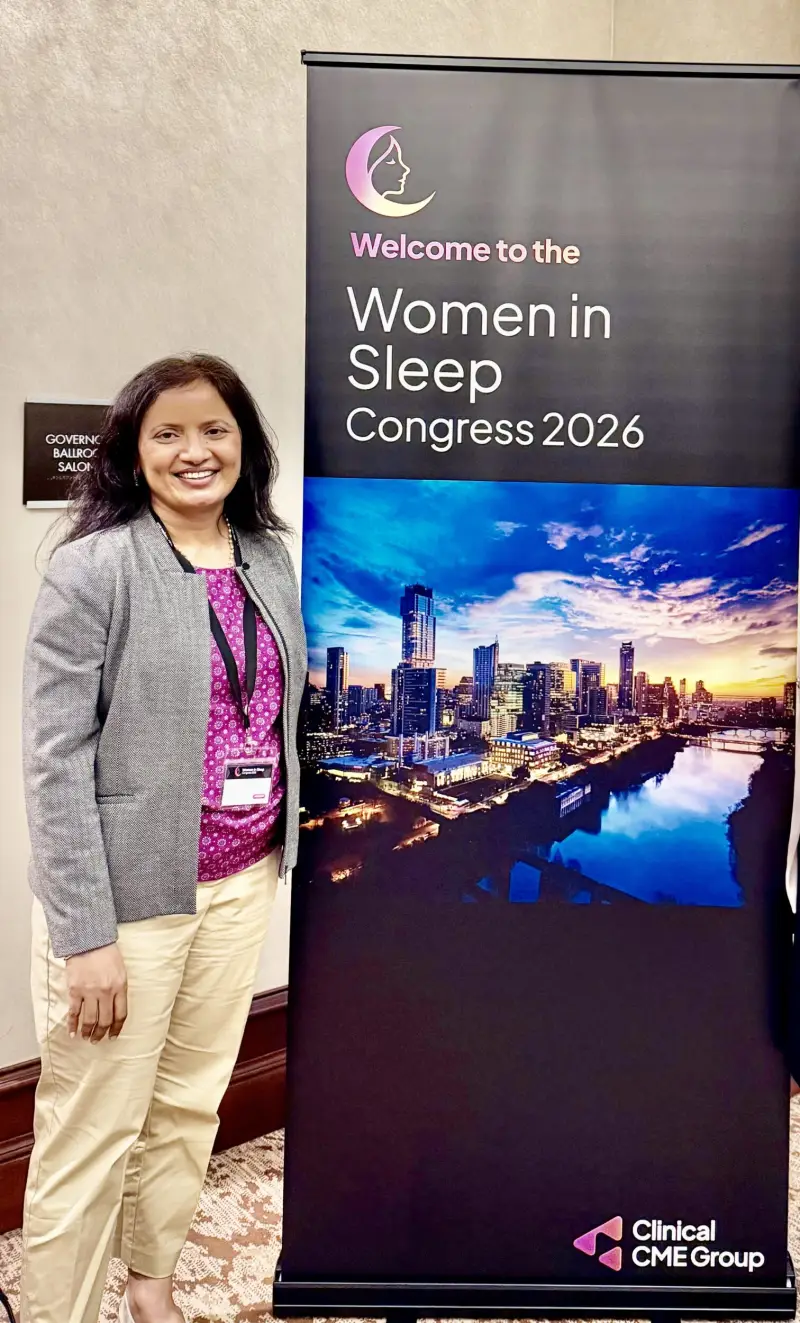
A question that exposed a blind spot
The turning point came at a Texas Medical Association event, where sleep and internal medicine physician Vani Vallabhaneni, MD, asked an obstetrician-gynecologist a simple question: how do you treat sleep apnea in pregnant women? The answer stopped her. If a woman becomes hypoxic during labor, the team gives oxygen. Investigating whether sleep-disordered breathing is the underlying cause, though, isn't really part of the routine.
That gap bothered her. A patient could be running low oxygen levels repeatedly throughout a pregnancy, with the cause never identified. Vallabhaneni, who is medical director at Sleep 360 Sleep Diagnostic Center in Austin and a clinical assistant professor at Texas A&M University, put the question to her colleagues directly: are we allowing the woman and the fetus to suffer from hypoxia that we could have looked for?
From a state resolution to a national policy
Her advocacy started at the 2024 TexMed conference in Dallas, where she was focused on Texas's maternal mortality problem. She was drawn to the factors that might be prevented or modified, including pregnancy-induced hypertension, preeclampsia, eclampsia, and gestational diabetes. Untreated obstructive sleep apnea (OSA) is linked to hypertension and metabolic dysfunction, so she searched the Texas Medical Association's existing policies. None addressed OSA during pregnancy.
She drafted what became Resolution 311. Her first hurdle wasn't the science. It was an assumption that pregnancy's physiological changes are temporary and therefore not worth worrying about. Her line to the delegates was blunt: "Pregnancy being temporary does not make its complications unimportant." She also had to correct an outdated picture of sleep medicine, since many physicians still assumed testing and therapy happened only in a sleep lab. She explained how home sleep testing, auto-titrating PAP, and telemedicine have changed the process. Treatment options beyond CPAP, including mandibular advancement devices and positional therapy, came up as well, along with the fact that CPAP pressures can now be adjusted remotely.
The resolution passed the Texas Medical Association in 2025 without debate or dissent. Bradford Holland, MD, FACS, MBA, the association's president and an otolaryngologist who treats sleep apnea patients himself, said the process showed how any physician can bring a proposal forward and see it reviewed on its merits. He also expects the policy to travel beyond the House of Delegates: members now have to carry it to the wider membership and help build patient education materials and resources for physicians.
The Texas delegation then took the issue to the AMA. In June 2026, the AMA House of Delegates adopted Policy H-440.785, Obstructive Sleep Apnea During Pregnancy. The policy formally recognizes the negative outcomes of OSA in pregnancy, supports physician education, encourages continued research, and advocates for insurance coverage and physician payment for screening and treatment. It builds on a 2024 AMA policy on OSA as a public health issue, which didn't address pregnancy specifically. Vallabhaneni says her three core principles, recognizing the potential impact in pregnancy, educating physicians, and securing coverage for screening and treatment, made it into the final language largely intact.
Why the timing feels urgent
Vallabhaneni's literature review estimated that OSA affects roughly 5% to 20% of pregnant women, depending on the population studied, and obesity among women of childbearing age is rising. A systematic review and meta-analysis she cited found that OSA during pregnancy is associated with higher odds of pregnancy-induced hypertension, gestational diabetes, preeclampsia, preterm birth, and admission to the neonatal intensive care unit.
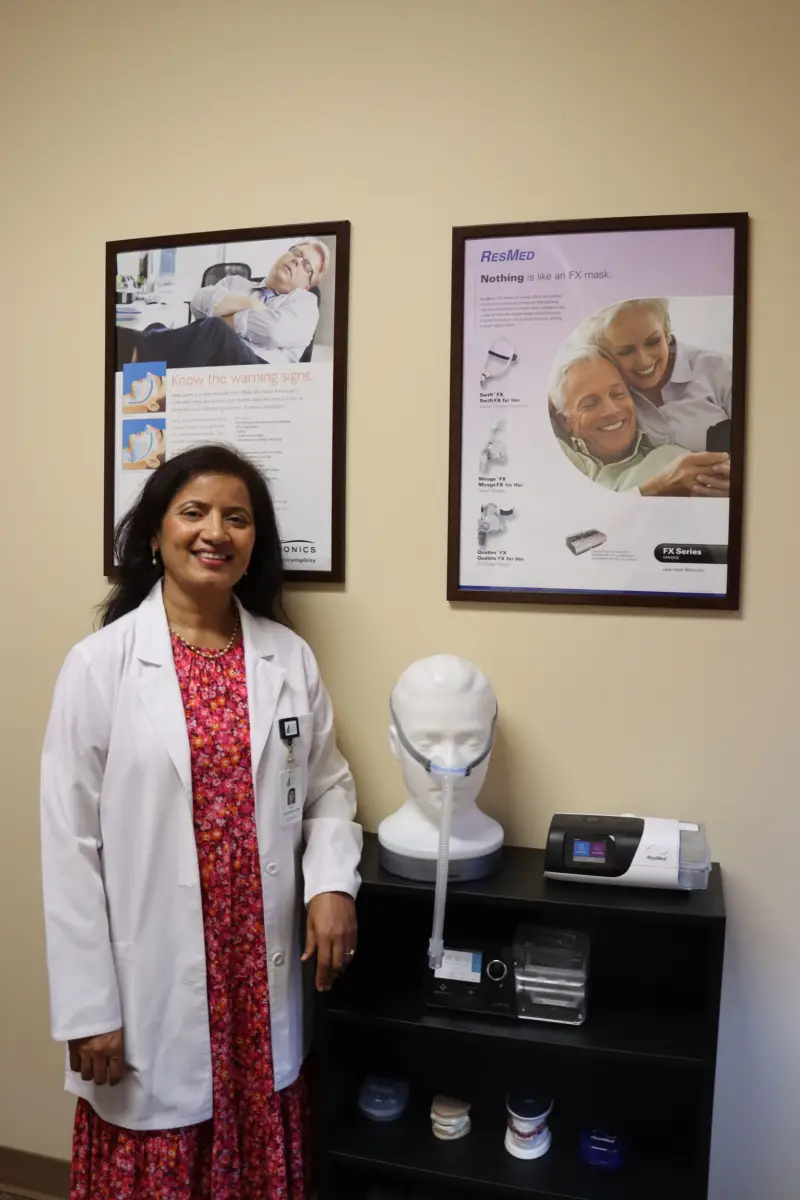
The broader maternal picture added weight to the argument. A JAMA study published in April 2025 found that the age-standardized annual and aggregated US pregnancy-related mortality rate rose 27.7% between 2018 and 2022. Cardiovascular disease was the leading cause of pregnancy-related deaths. That's the link Vallabhaneni keeps returning to: if sleep apnea is common in pregnancy, is associated with hypertensive and metabolic complications, and cardiovascular disease leads the list of pregnancy-related deaths, why isn't it being checked for? As she puts it, "OSA is treatable, and we have a chance to improve maternal health."
Association is not the same as cause
Bilgay Izci Balserak, PhD, an associate professor at the University of Illinois College of Nursing who helped connect Vallabhaneni with the relevant literature, sees the policy as a real change in how sleep is framed. Sleep disturbances in pregnancy have often been written off as normal or unavoidable. Some changes are physiological, she says, but OSA is a diagnosable, treatable disorder with real implications for maternal health.
The mechanisms are plausible. Repeated upper airway obstruction produces intermittent low oxygen levels, sleep fragmentation, and sympathetic nervous system activation. Those pathways overlap with the ones involved in preeclampsia and metabolic dysfunction. Still, Balserak is careful: "Biological plausibility does not establish causality." The policy doesn't claim OSA causes every pregnancy complication, or that treating it prevents them. It opens a path toward better recognition, fewer barriers to care, and the research needed to find out whether earlier diagnosis and treatment reduce maternal illness.
What the treatment evidence shows so far
Here's the thing: the treatment data is encouraging but thin. Balserak points to a multicenter randomized controlled trial of 340 high-risk pregnant women. CPAP treatment significantly lowered diastolic blood pressure by about 2.2 mmHg. The preeclampsia rate was 13.1% in the CPAP group, compared with 22.3% in the usual-care group. Balserak argues that modest blood pressure improvements can matter a great deal in high-risk pregnancies.
A 2024 systematic review and meta-analysis of CPAP treatment and hypertensive outcomes in pregnancy pooled its results and found a significant reduction in gestational hypertension (35%) and preeclampsia (30%) among CPAP users. Pooled figures like these are only as strong as the studies feeding them, and they don't settle questions about every subgroup. Balserak's overall read is that the evidence is "promising and increasingly supportive, particularly for maternal hypertensive outcomes, but not yet definitive for the prevention of all pregnancy complications."
Screening without the false alarms
Translating a policy into practice is where things get hard, and pregnancy is a narrow window. Balserak favors targeted, risk-informed screening over universal screening. Standard questionnaires such as STOP-Bang work poorly in obstetrics, because fatigue and weight gain are expected in pregnancy and would inflate the results. She recommends asking directly about habitual snoring, witnessed apneas, and daytime sleepiness that seems out of proportion to ordinary pregnancy tiredness.
Vallabhaneni thinks screening responsibility should be shared, but the referral path has to be clearly defined. Primary care clinicians often see patients before pregnancy and can flag risk factors such as prior preeclampsia, gestational diabetes, or witnessed apneas before the patient reaches an obstetrician. In her own practice, she relies heavily on home sleep testing, with telemedicine covering the consultation, results review, treatment start, and follow-up.
The clinical framework is also firming up. A CHEST clinical practice guideline published in October 2026 recommends screening pregnant patients for sleep-disordered breathing and supports either at-home diagnostic devices or laboratory-based testing. For treatment, it recommends positive airway pressure for patients with an apnea-hypopnea index of 5 to 15 who have symptoms or comorbidities, and for any patient with an index above 15. Those thresholds are for clinicians to apply within a full assessment, not a self-diagnosis tool.
When CPAP isn't the answer
CPAP remains first-line, but adherence during pregnancy can be hard. Nasal congestion, nausea, and fragmented sleep all get in the way. That's why researchers at Texas A&M University's Baylor College of Dentistry are looking at alternatives. Preetam Schramm, PhD, and Emet Schneidermann, PhD, are running a pilot study of oral appliance therapy in pregnant women using the myTAP device.
The team chose the myTAP for its cost-effectiveness and worldwide availability. The device was specifically designed to work with a silicone mouth shield, which helps reduce mouth breathing and promote nasal breathing, and it can be fitted chairside in under 30 minutes. The manufacturer provided the devices at no cost for the study, a detail readers should keep in mind when weighing the work.
Preliminary results show that pregnant women using the appliance had significantly greater improvement in sleep quality and a bigger reduction in snoring frequency than controls over eight weeks. One participant also showed a marked improvement in heart rate variability. That's a small pilot, not proof. The researchers say they plan to partner with the University of Texas Southwestern Medical Center on a larger randomized trial, and they argue that making sleep-disordered breathing reduction a routine part of prenatal care "could be transformative." The data needs to earn that word first.
After delivery, the question doesn't go away
Some pregnancy-related OSA eases as fluid retention and weight come down, but clinicians shouldn't assume it disappears. Balserak notes that longitudinal studies show a substantial proportion of women diagnosed with OSA during pregnancy still have it months after delivery. The CHEST guideline suggests reassessing postpartum patients who were diagnosed during pregnancy.
Vallabhaneni gives new mothers time to adjust before reassessing. Once symptoms improve, such as no longer waking up gasping or choking and steady weight loss, that's the point to re-evaluate without the PAP machine and see whether the apnea has resolved. Her longer-term goals include building OSA risk checks into electronic medical record workflows so screening is triggered automatically rather than depending on one physician's memory, and making sure obstetric anesthesiologists know a patient's OSA status before delivery. She also sees pregnancy as a chance to start cardiometabolic follow-up, since cardiovascular complications show up in the second and third trimesters.
What comes next
Balserak's next step is collaboration among obstetricians, midwives, nurses, primary care clinicians, sleep specialists, and payers. Coverage for screening and treatment remains a practical hurdle, which is why the AMA policy's language on insurance and physician payment matters. Vallabhaneni put the shift in one sentence: "The challenge is no longer whether obstructive sleep apnea matters in pregnancy; the challenge is building an infrastructure that makes evidence-based obstetric care a routine thing."
If you're pregnant, or caring for someone who is, and you notice loud and persistent snoring, pauses in breathing that someone else has witnessed, or unusual daytime sleepiness, that's worth raising with your obstetric or primary care clinician. It's a conversation to start, not a diagnosis. The research is still building, but the direction is clear enough that asking the question now seems worth it.