A Daughter's Lung Cancer Story and Why Small Changes Deserve a Doctor's Look
By Scarlett O'Shea858 views
Julia Hunter's account of her father's fast-moving lung cancer shows why subtle, unexplained changes are worth raising with a doctor early.
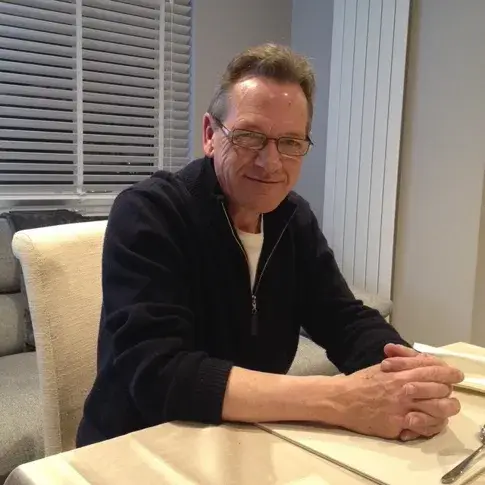
Lung cancer rarely announces itself. David Scott, a 68-year-old from Glenrothes, Fife, showed none of the classic symptoms before he was diagnosed in late 2024. What his family noticed were small shifts: slight imbalances and a few moments that didn't seem right. Those details are the reason his daughter, Julia Hunter, is now speaking publicly about his case.
A family that noticed small things
David had a full life outside work. He loved golf, a good red wine, his Hibs football team and cooking, and his cooking took him into hotel kitchens abroad and across the UK. He met his wife Pauline in that world, and the two of them married in 1979 and settled in Carnoustie. They had two daughters: Julia, who lives in Glasgow, and Vivienne, who lives in Dubai.
When the changes appeared, Julia was living in Kansas. It was her family back home who saw them, just weeks before the diagnosis. Julia recalls that they didn't seem connected to anything serious at the time. Her mother, though, wanted him seen by a medical professional regardless.
"He had slight imbalances and a couple of moments that didn't seem quite right but nothing to indicate what was to follow. Mum still wanted him to be seen by a medical professional though."
That decision set the timeline in motion. Pauline suggested an optician, and the optician spotted a mass behind one of David's eyes and referred him urgently to hospital the same day. A CT scan confirmed a tumour on his brain. A full-body scan then found more tumours on his lungs. He was diagnosed with stage 4 lung cancer that had spread to his brain.
A rapid course and a difficult few months
By then, Julia had flown home to be with her father. His condition worsened quickly, and treatment brought complications that required surgery and additional medication. The prognosis was poor. At David's wish, the family arranged for him to spend time with his grandchildren, so that there would be more memories to hold onto. After that, he went through two rounds of chemotherapy.
In February, the tumour in his brain began to cause pressure and a build-up of fluid, and his condition declined sharply. David died in March 2025, surrounded by his family, four months after his diagnosis.
Julia's reflection on that period is direct. Some early signs, she now believes, were probably linked to the cancer even though nobody thought so at the time. That's a hard thing to sit with, and it's the core of her message.
"There were things we noticed at the beginning that we didn't think were related, but we now know that they probably were. It was a massive shock. Have confidence in your own body. If something isn't quite right for you, act on it. Early diagnosis is key."
What early awareness can and can't do
Julia's advice lines up with Cancer Research UK's guidance that cancer caught at an early stage is more likely to respond well to treatment. Here's the thing, though: a single family's experience can't tell us how often lung cancer presents this way, or how much earlier action would have changed David's outcome. His story is a vivid reminder of the principle, not a measure of it.
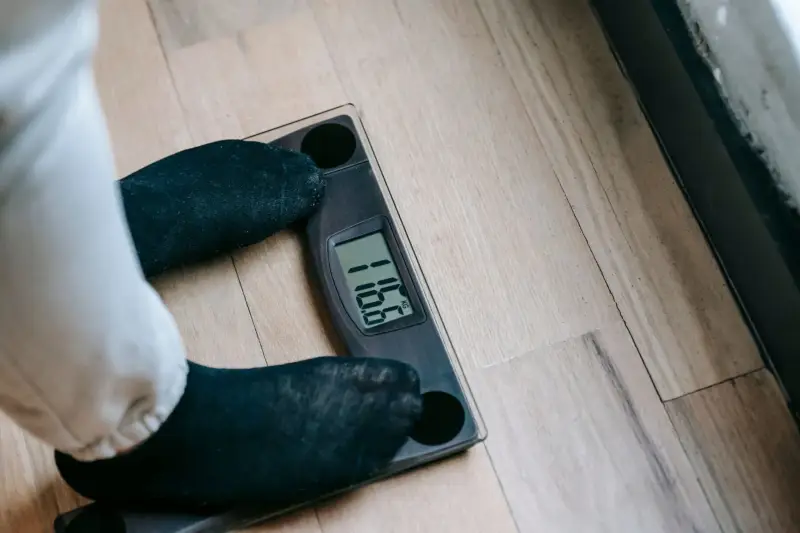
The practical part is more modest. Some cancer symptoms affect a specific part of the body, but others are general, such as unexplained weight loss, persistent tiredness (fatigue) or pain with no clear cause. Paying attention to what's normal for you, and getting anything that persists or feels out of place looked at by a doctor or pharmacist, is a sensible habit. Most changes turn out to have other explanations, but that's exactly what a check is for.
Julia also spoke about the hospital experience. She described frustrations during her father's time there, yet she praised the nurses who cared for him, saying simply that "they were amazing." That mix of criticism and gratitude is common among families living through a serious illness, and it's worth remembering that caregiving staff often carry a heavy load.
From family loss to fundraising
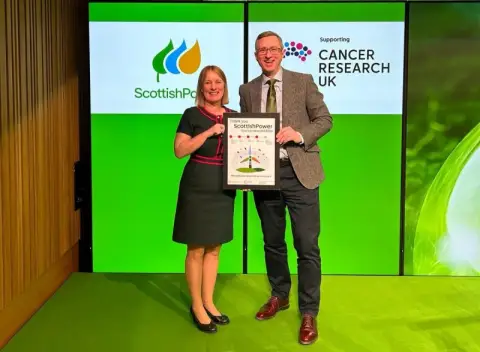
Julia has chosen to channel her grief into the TCS London Marathon in April 2027, running in her father's memory. Her place is linked to ScottishPower's support for Cancer Research UK, which the company has backed since 2012, raising more than £45 million through employees, suppliers and customers. In 2024, ScottishPower also committed up to £4 million over five years to the Lung Cancer Centre of Excellence.
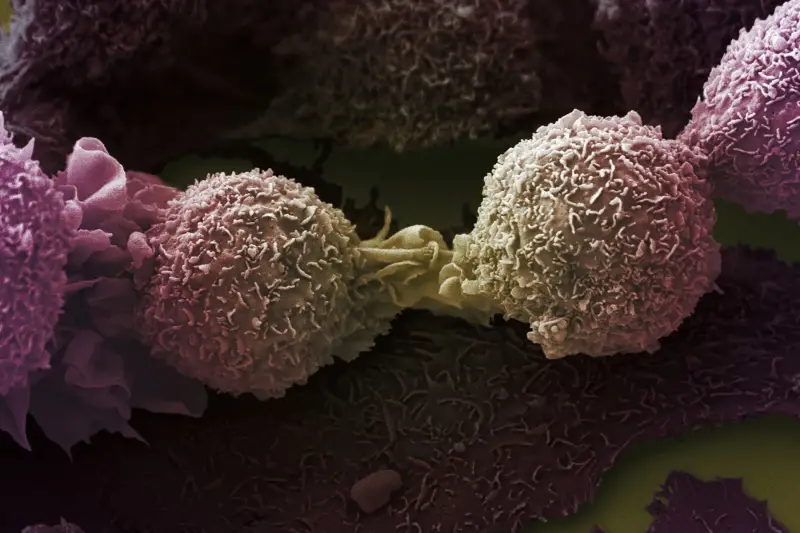
The company has also recently backed a new research group called Cancer Origins, which aims to understand how lung cancer begins and whether it could one day be prevented. Research into prevention and early detection is still at an early stage, so it's best read as a long-term effort rather than a near-term answer.
"Cancer affects so many people in so many different ways. There are people we've lost, people who are still fighting, and people who don't yet know they may one day have a similar story. While there are things we can't control, there are also things we can do. Early diagnosis can make a huge difference. If sharing Dad's story encourages even one person to get checked sooner, then that's something really worthwhile."
My read is that Julia's story works because it avoids both alarm and false comfort. It doesn't claim that every odd feeling means cancer, and it doesn't suggest that catching a symptom early guarantees a good result. What it does show is how easily a few small changes can be dismissed, and how much a single visit can matter. If something has shifted for you or someone close to you and it isn't settling, that's a reasonable reason to book an appointment and say exactly what you've noticed.